
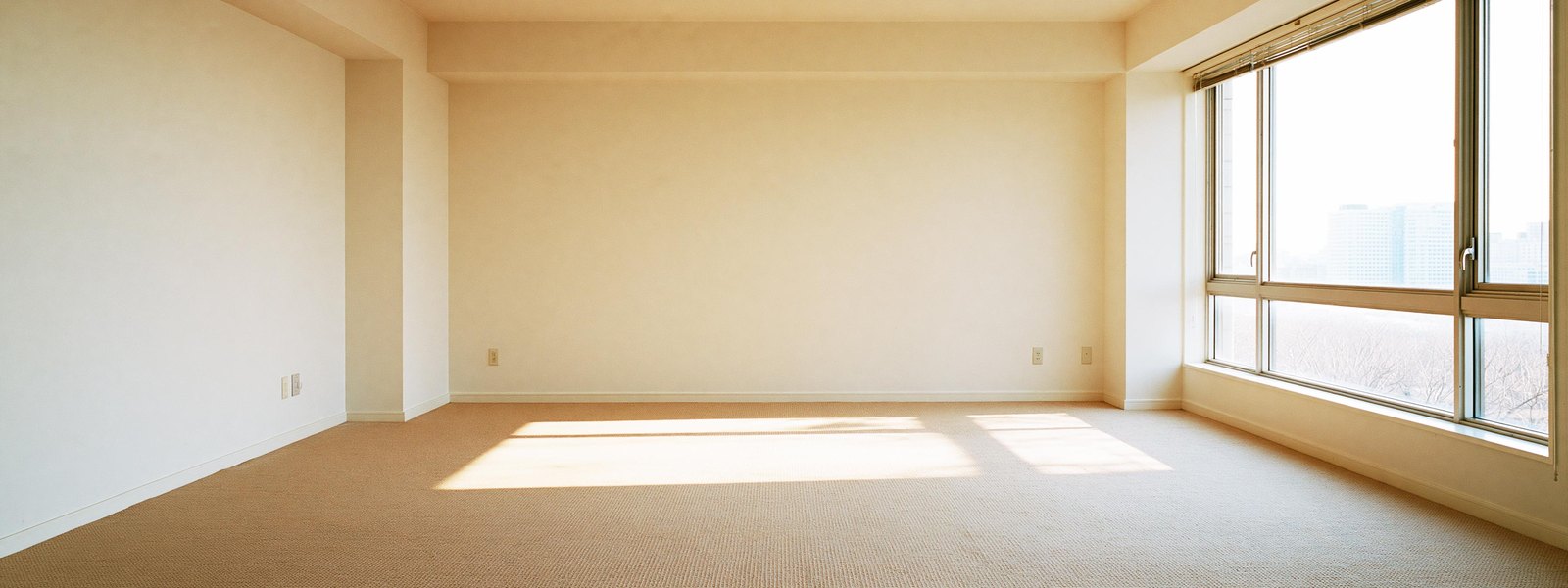
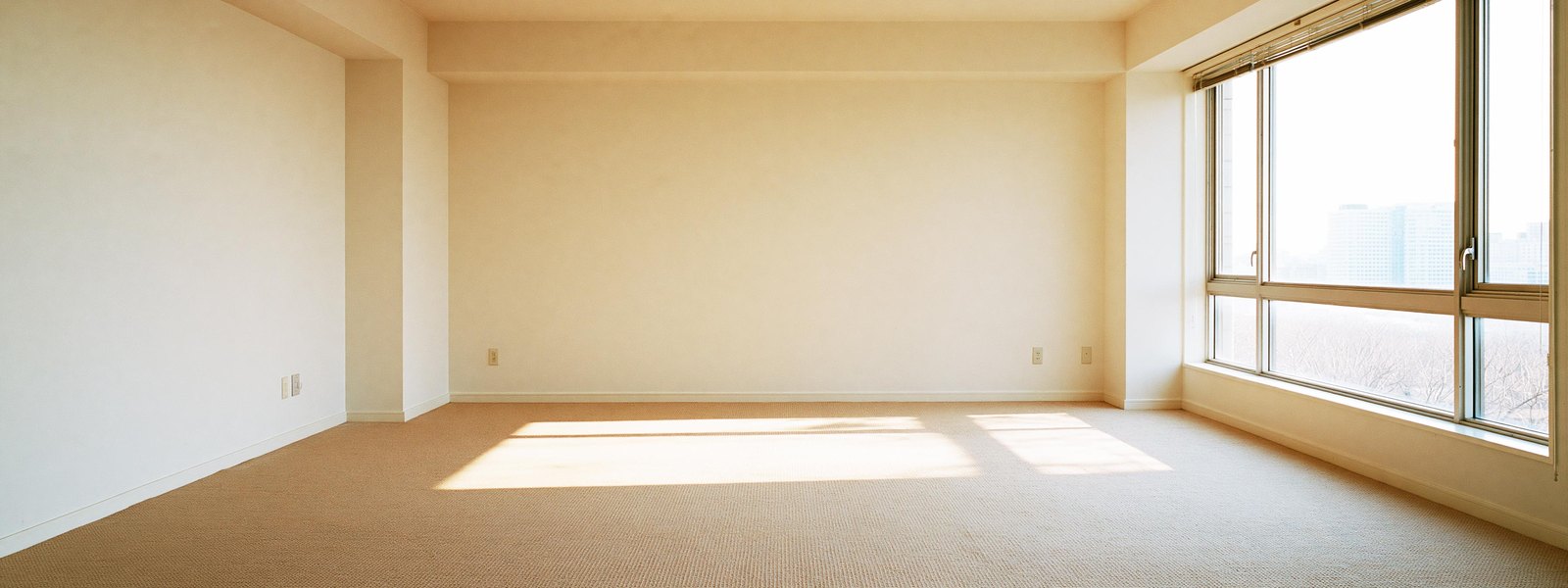
Finished interior wall and ceiling in a Colorado Springs home

Drywall Repair in Colorado Springs, CO

Most cracks in Colorado Springs have a simple explanation, and once we know what yours is, the repair goes in one time and stays closed.

Wide view along a finished wall in a lived-in room

Your Drywall Crack Is the Symptom

Good news to start with, because it applies to most of the walls we get called about. A single hairline running out of a door corner that has held the same width for years is usually a house that has found its balance. Plenty of them never move again. If that is what you have, Colorado Springs Expert Drywall will come out and tell you so, and be glad to.

What makes a repair last is knowing which kind you have before anybody opens a bag of compound. So the looking and the repairing are priced separately, and you can see exactly what each one is worth. Drywall repair in Colorado Springs earns that approach, because of what the ground under the city does.

The short version: a lot of Colorado Springs sits on clay that swells when it takes on water and shrinks back when it dries. Your footings ride on it. A quarter inch of movement down there has to come out somewhere above it. It comes out at the thinnest part of the wall, which is almost always a door corner, a window corner, or the line where the wall meets the ceiling. Some people call it sheetrock and some call it drywall. It behaves the same either way.

What Your Drywall Crack Is Actually Telling You

A crack is a record of something that happened, and most of them are readable if you know what to look at.

Direction is the first thing. A short hairline running diagonally out of the top corner of a door or window is the commonest thing we see. That one is usually ordinary seasonal movement finding the thinnest part of the wall. A long vertical line straight up the middle of a wall is more often a taped joint that has let go. A crack along the top of a wall that opens in winter and closes again in summer is a third story entirely, and gravity is not the cause of it.

Why Colorado Springs Produces So Many of Them

The Colorado Geological Survey names El Paso County among the places on the Front Range where heaving bedrock does the most damage. It is worst within a mile or three of the mountain front, which covers a great deal of Colorado Springs. The clay underneath is a smectitic claystone with bentonite running through it. That is a technical way of saying it behaves like a sponge with opinions. Wet it and it lifts. Dry it out and it drops. The federal soil survey rates several of the common El Paso County soils as severe for shrink and swell under a house.

None of that is a problem you have to solve. It is simply the reason your wall did what it did, and it is why a repair that ignores it opens again.

What it means for the repair

A wall that has finished moving takes a straightforward repair, and you never think about it again. A wall that is still working needs the cause understood first. Filling that one is paying to watch the same line come back. Occasionally the honest answer is that the best month to close it is a few months out. Where that is true you will hear it, and keeping track of the timing is our job rather than yours.

How We Read a Drywall Crack in About Five Minutes

Which way the line runs, because a diagonal and a straight vertical have different explanations
Whether it holds the same width along its length or opens out toward one end
Whether it stops at the ceiling line or carries on through it
Whether this line has been closed before, and how long it stayed closed for you
Whether a door or a window in the same room has started to catch in one season
What sits on the other side of that wall, which is often where the answer is

Repair or Replace, and Why Repair Usually Wins

Most people expect to be told the whole wall has to come out. Nine times out of ten it does not, and that is the cheaper answer as well as the less disruptive one.

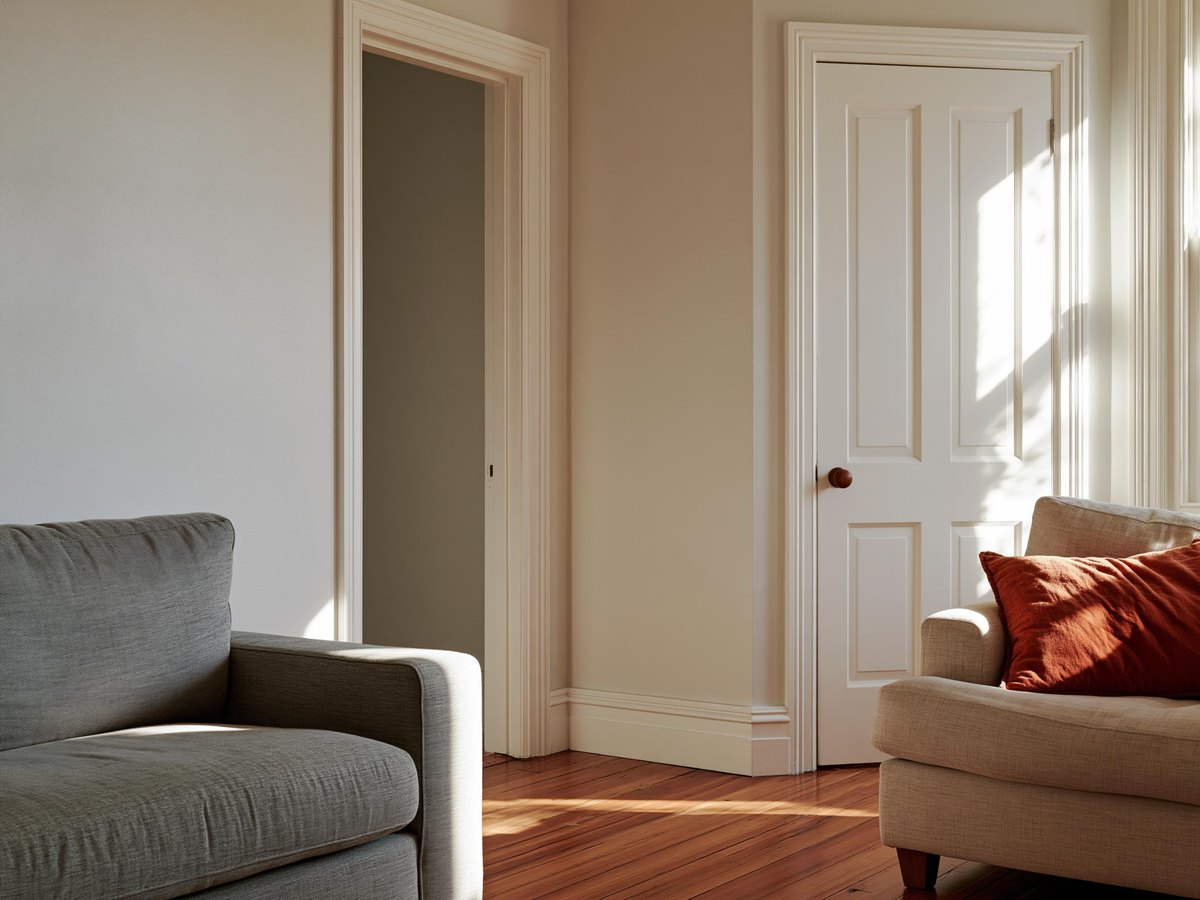
Smooth painted wall meeting a door casing, seen close

Board is inexpensive and labor is not. Taking out a whole wall to avoid a patch generally costs more than the patch would. A repair also keeps the surface you already have, and that matters more than it sounds. The finish on your wall is the standard any new section has to live up to. Working into a wall you kept is a good deal easier than making a whole new one disappear into the room around it.

When starting fresh is genuinely the better value

Sometimes a section has simply reached the point where starting clean makes more sense. That is usually when the trouble sits behind the surface rather than on it, or when the same area has been opened and closed several times. A new section there gives you a consistent surface that reads as one wall again. You will hear which of the two we think you have and why, and the decision stays yours.

Where the wall is still moving we deal with that first. A new section deserves ground that has stopped arguing with it, and putting fresh board over an unresolved cause is how people end up paying twice for the same six feet.

What Decides Your Price

Most people want the range before anything else, so here it is. One crack or one hole, closed and finished, lands at $150 to $400 in Colorado Springs. Several in the same visit come to $400 to $800 together, since the trip is only paid for once. Anything large enough to be measured rather than counted goes at $2 to $6 per square foot.

Two cracks the same length on the same street can still come back at different prices, and the difference is rarely the crack. It is what has to happen around it. You get your price while somebody is standing in front of the wall, and the looking is free whether or not you go ahead.

What Happens on the Day

A repair on a wall is a quieter job than most people expect, and knowing the shape of it makes it easier to plan around.

The room gets sealed off before any sanding starts. Drywall dust travels further than anybody believes, and containing it is far easier than chasing it afterward. Furniture moves to the middle and gets covered. Most repairs on a wall are done in a day. A run that needs coats to dry between them takes two, and you will know which yours is before we start rather than partway through.

Worth mentioning when you call, if you happen to know

  • Roughly when you first noticed it, and what the weather had been doing
  • Whether it has been closed before, and how long it stayed closed
  • Whether it runs straight up or on a diagonal
  • What is on the other side of that wall
  • Whether a door or window in the room has started catching
  • Whether anything changed outside: a new tree, a removed tree, new irrigation, a downspout moved

None of that is required, and nobody expects you to have kept notes. If you do not know any of it, we will work it out once we are standing there.

If Your Wall Is Likely to Open Again, You Hear It Before It Is Closed

If a wall looks likely to open again, you hear it before it gets closed rather than after. That is the conversation that saves you paying for the same repair twice, and where it applies you get the reasoning, the options, and the choice.

Questions Homeowners Ask Us About Drywall Cracks

How much does drywall repair cost in Colorado Springs?

Count on $150 to $400 for one crack or one hole, closed and finished. A handful booked together runs $400 to $800, and anything measured by area rather than counted goes at $2 to $6 per square foot. Where your wall falls inside those bands depends on how easy it is to reach and what finish it has to disappear into. Nobody starts until you have the price.

Do cracks in my walls mean I have foundation problems?

Usually not, and that is the honest answer most people are hoping for. The large majority of cracks we are called to are seasonal, they belong to the wall rather than the structure, and they go no deeper than the board. Three are worth a closer look: one that keeps returning after repair, one that is visibly widening, and a diagonal in a room where your doors have started sticking. You will be told which you have. If it turns out to be a question for a foundation company, you will hear that plainly rather than watch it get closed up.

Is it cheaper to repair drywall or replace it?

Repair, nine times out of ten, and it usually leaves you better off. Board is cheap and labor is not, so pulling out a whole wall to avoid a patch tends to cost you more than the patch would. Replacing earns its keep when your trouble sits behind the surface, or when the same section has been repaired so often that a clean one will simply look better.

Why did my drywall crack come back after it was repaired?

Filling it was the easy half. A crack that has opened once is a joint now and it will move again, so it wants tape and coats rather than filler on its own. The other likely reason is that whatever moved your wall was still moving on the day it was closed. Both are fixable, and the second is exactly why the cause gets looked at first.

Do you repair sheetrock as well as drywall?

Same thing, different word. Sheetrock is a brand name that became the everyday term for gypsum board across a lot of the country, and about half the people who call us use it. Whichever one you say, it is the same wall and the same repair.

Can a handyman patch drywall?

For a small hole in a flat wall, often yes, and on your garage wall that is exactly the right call. The harder half is the finish. Getting a repair to vanish into the surface around it is a separate skill from closing the hole, and it is why so many patches are still visible from the doorway two years later.

Where People Go From This Page

Drywall Patching

A known hole or a doorway ding, closed and gone in a single visit.

Small repairs, finished in a single visit →

Texture Matching

The finish work that decides whether a repair blends into the wall or announces itself.

How a repair is made to disappear →

Ceiling Repair

The same argument overhead, where the answers run toward the roof rather than the ground.

What a ceiling crack usually means →

Water Damage Drywall Repair

Walls that took on water, once the source has been dealt with.

What is behind a water stain →

Fountain

South of the city on the same clay, with plenty of houses turning over between tenants.

Clay ground, and rentals between tenants →

Security-Widefield

Thousands of near-identical houses built in the fifties, and walls that behave alike street to street.

One decade of housing, one familiar wall →
Finished room with even walls and clean corners

Get Your FREE Estimate

Not sure yours is even worth a call? That's the sort we like looking at, and looking is free.

Your wall gets repaired once, and it stays that way.

Call Us Now! 719-259-3834