
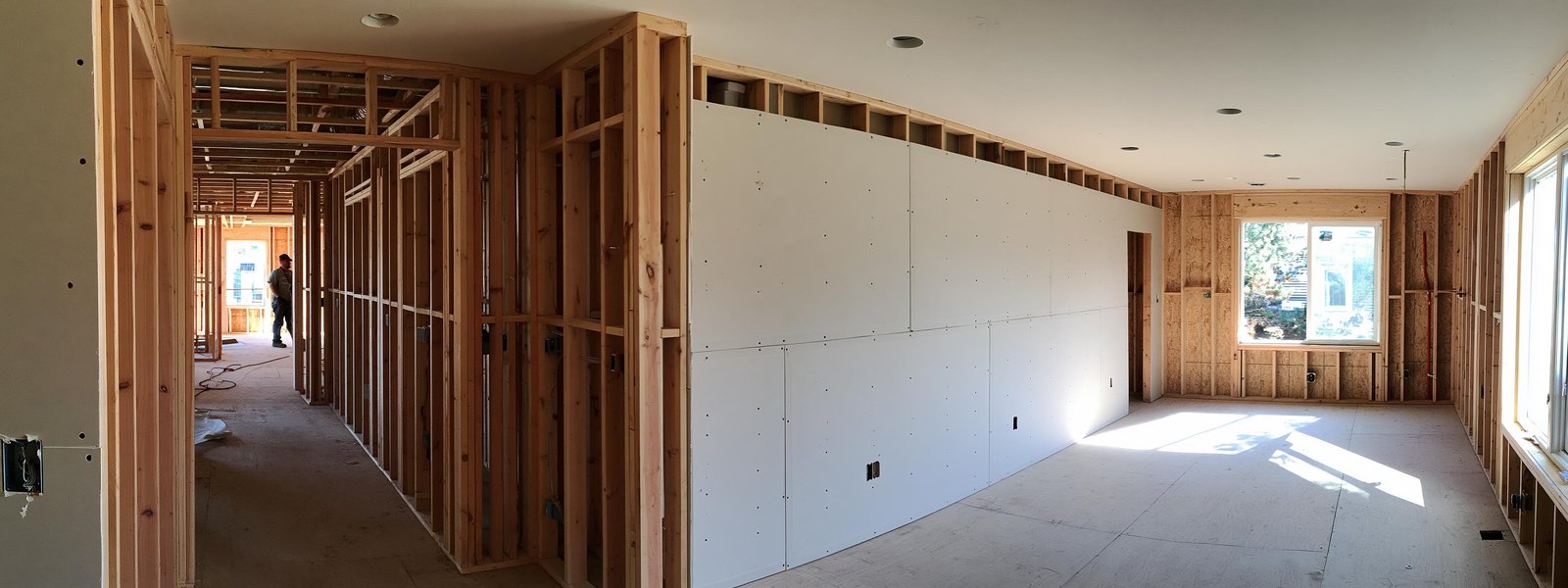
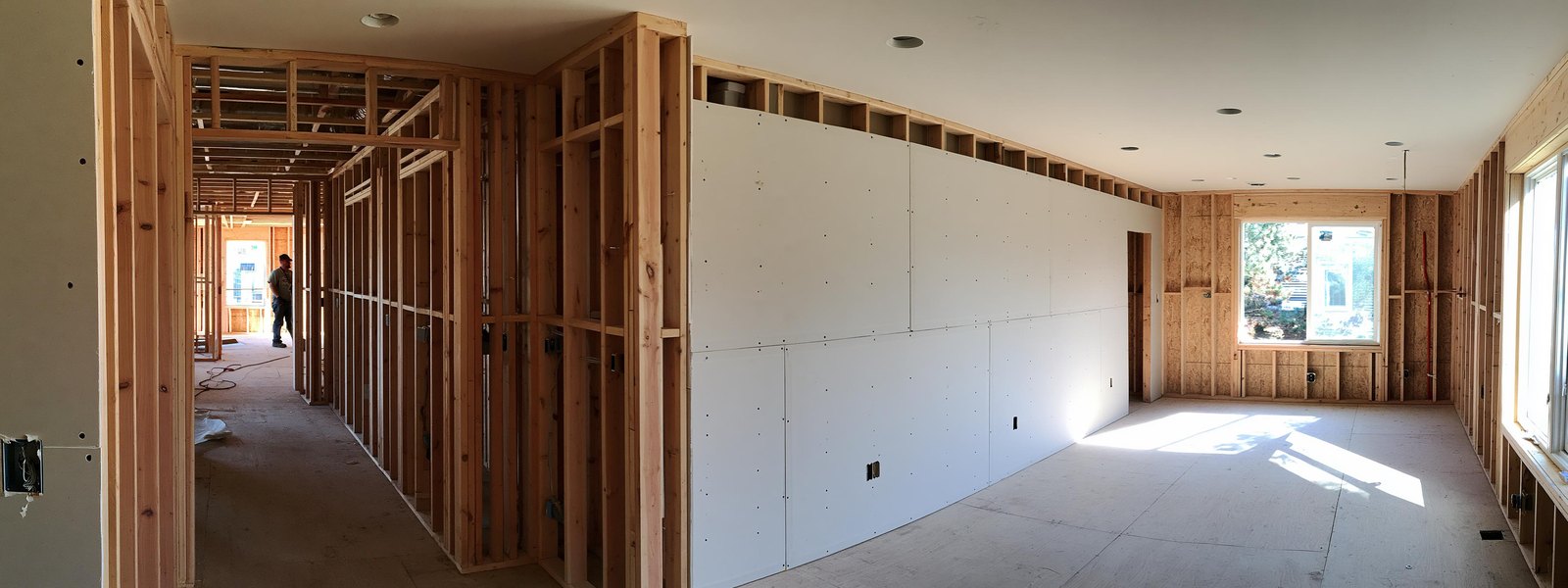
New drywall hung on open framing in a Colorado Springs home

Drywall Installation in Colorado Springs, CO

New board hung, taped and finished flat, so the room is ready for your painter and stays that way.

Wide view of a room with new board hung and taped

The Job Is Judged in Year Three, Not on Day One

Every drywall job looks good the day the painter leaves. That is the awkward truth about this trade, and Colorado Springs Expert Drywall would rather you knew it before you pick anybody.

A wall that was hung carelessly and finished beautifully will pass your eye on handover and start telling on itself a couple of winters later. The lines that show up are almost always in the same places: along a joint, across a run of screws, or at the corner of an opening. So drywall installation in Colorado Springs is really a question about what happens underneath the finish.

The good news is that the things which make a wall last are not exotic. They are ordinary decisions made in the first day of a job: which way the board runs, where the joints land, how the sheets meet at an opening. Get those right and the finish has an easy job. Get them wrong and no amount of compound saves it.
Why Board Goes On Sideways

This is the question we get asked most by people who have watched a video, and the answer is more interesting than it sounds.

Board is hung horizontally in a house, not stood on end. Two reasons, and both are about your wall five years from now.

The joint lands where the eye does not

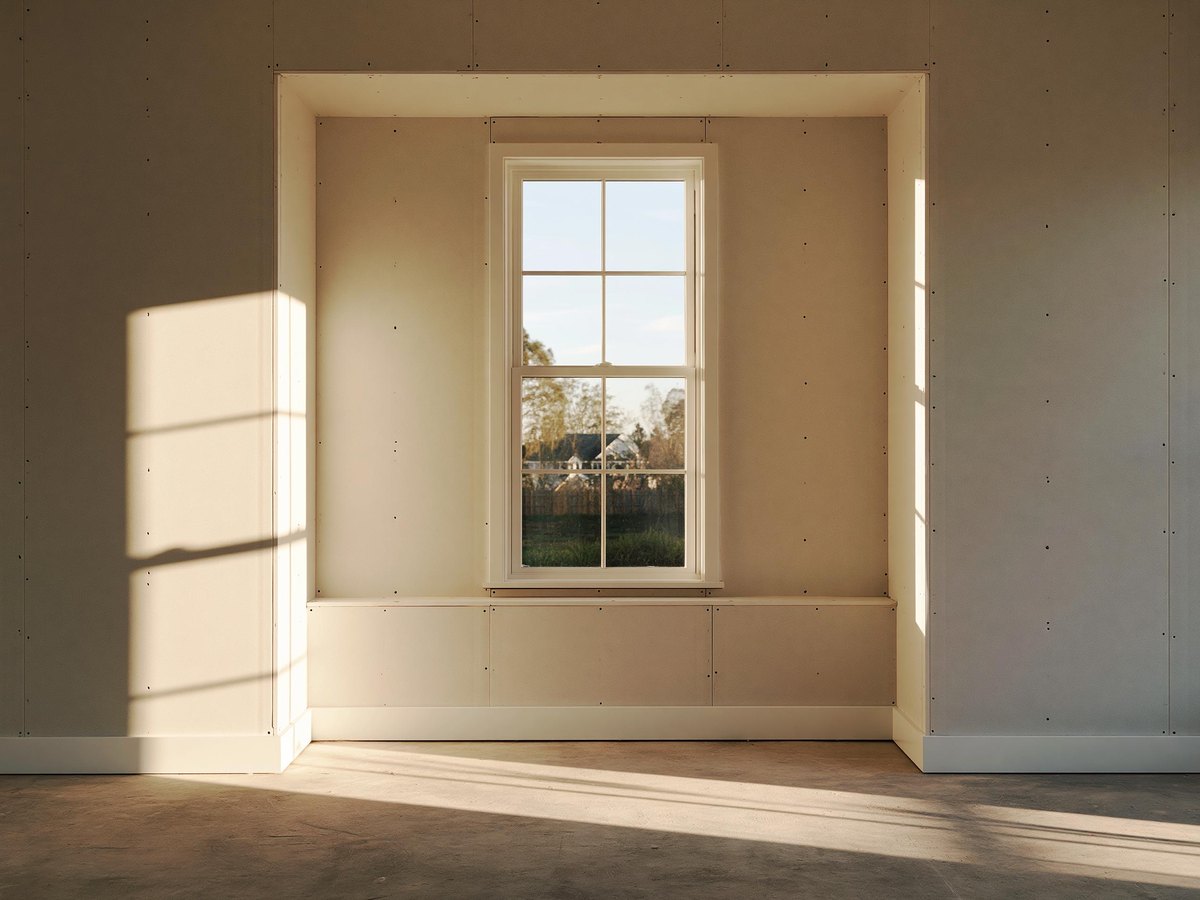
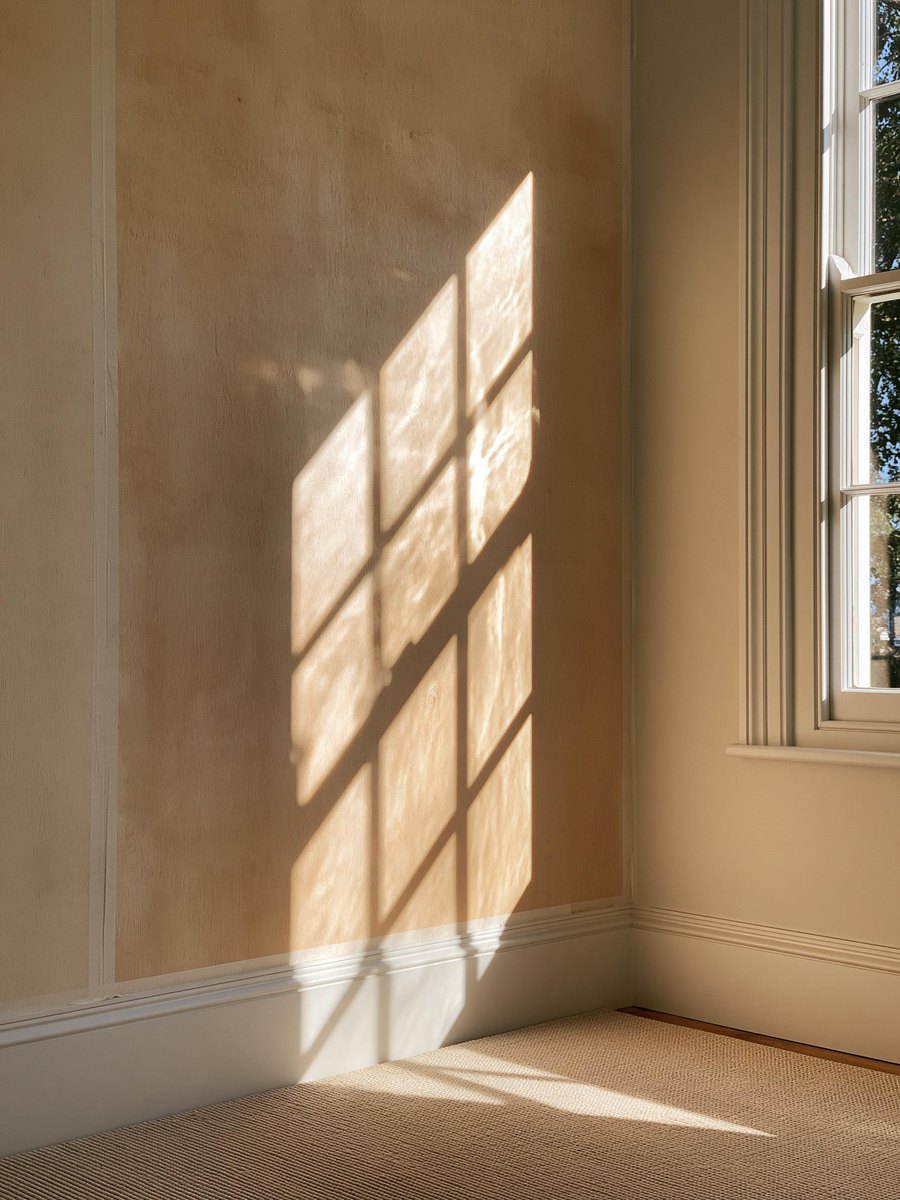
Hanging sideways puts the long joint at roughly waist height across the room rather than in a vertical line from floor to ceiling. Light coming in a window crosses a vertical line and rakes down its whole length, which is exactly how you see it. A horizontal joint gets crossed rather than followed.

The edges are not all the same

The long edges of a sheet are tapered, slightly thinner, so two of them together form a shallow trough that the tape and compound sit into and finish flush. The short ends are cut square with no taper at all. Put two square ends together and you have a butt joint. It has to be built up proud of the wall and feathered wide to hide, and it stays the hardest thing on that wall to keep invisible.

So the whole game is having fewer of them, putting them where light does not rake across them, and staggering them so they never line up one above the other like brickwork gone wrong.

What We Work Out Before Any Board Goes Up in Your Room

Which way your framing runs, and where the long joints will land because of it
Where the light comes into the room, since that decides which walls are unforgiving
How to lay the sheets out so your room ends up with the fewest butt joints
Whether the framing is straight, because board follows whatever it is fixed to
Where openings, sockets and switches fall relative to a joint
What is going on the wall afterward, since paint and a heavier finish want different preparation

The Two Mistakes That Cause Most Callbacks

Almost every wall that fails early fails for one of two reasons, and neither has anything to do with skill at finishing.

Taped and coated seam feathered out across a new wall

The first is fastening. A screw set too deep tears the paper face and has nothing left to grip, so it works loose and shows as a small round bump under your paint a year or two later. Set too shallow and it stands proud, which the finish never quite hides. There is a narrow correct depth: dimpled just below the surface with the paper intact. Getting that right on every screw across your house is dull, repetitive work, and it is what separates a good hang from an average one.

The second is trying to make board fix framing. Board follows exactly what it is fixed to. If a stud is bowed or a corner is out, your wall carries that forever. Forcing sheets into place puts stress into the finished surface, and it eventually finds its way out at a joint. Where framing needs adjusting, adjusting it is part of the job rather than an inconvenience to work around.

What that means for your quote

Both of those take time and neither shows up in a photograph you would be shown. It is why a cheap price and an expensive price for the same room are often buying you quite different walls. The difference does not become visible until long after everybody has been paid.

What Decides Your Price

New drywall is priced by the square foot, and the honest headline is that hanging a room costs less per foot than repairing one. Installation is volume work on open framing where everything is reachable. A repair is fiddly work in a finished room where the hard part is making new meet old. If you want the repair bands, they are on the drywall repair page.

What moves your price on a new job is rarely the square footage. It is how broken up the space is and how far the finish has to be taken.

What You Are Actually Buying

A finished wall is four separate jobs stacked on top of each other, and you only ever see the last one.

The four stages, and where the time goes

Hanging is the fast part and it is where the decisions get made. Taping is where the joints get their strength. Then come the coats, each one wider than the last, each needing to dry properly before the next. Sanding is last and it is the one everybody pictures when they think of drywall.

  • Hanging: board cut and fixed, layout decided, joints placed
  • Taping: joints and internal corners reinforced, corner bead fitted to external corners
  • Coats: usually three, each feathered wider, drying between
  • Sanding: the surface brought flat and dust-free
  • Checked under a light: held at an angle to the wall, which is the only honest way to find what is left
  • Handover: swept, sheeting out, ready for your painter to start

Why Drying Matters More in Colorado Springs Than Most Places

Colorado Springs air is dry, and compound behaves differently in it than the tub suggests. In low humidity a coat can be touch dry long before it has finished shrinking. Coating over one that has not properly given up its moisture is how a joint shows up on your wall months later. Rushing the middle of a job is the most common way to lose the end of it, so your coats get the time they need rather than the time that suits a schedule.

What People Ask Before Booking New Drywall

Why is drywall installation more expensive than it looks?

Because you are paying for four jobs, and only one of them is quick. Hanging the board goes fast; taping, three coats with drying between them, and sanding a whole room flat do not. On top of that, the parts that make your wall last are invisible on handover, which makes it very easy to sell a cheaper version that looks identical for about two years.

Can a beginner install drywall?

Hanging a sheet is not the hard part, and plenty of people manage a small room. Where it goes wrong is the layout, the fastening depth and the finishing. Those are the three that decide whether you can still see the joints when the light crosses your wall in the afternoon. If it is a storage room or a workshop where nobody studies the walls, have a go. If it is a room you will look at every day, it is worth somebody who does it constantly.

Why should drywall not be hung vertically?

Mostly because of where it puts the joints. Hung sideways, the long tapered edges meet at about waist height and finish flush and almost invisible. Stood on end, you get a full-height joint that light runs straight down, which is the easiest kind of line for your eye to catch. Horizontal also means fewer joints overall in a standard room.

What is a butt joint, and why does everyone complain about them?

It is where two square-cut ends of board meet, with no taper to sit the tape into. Because there is no trough, the joint has to be built up slightly proud of your wall and feathered out very wide to disappear. It is the hardest thing on any wall to hide. That is why a good layout is mostly about giving you as few of them as possible, and keeping them away from the light.

How long does drywall last?

Indefinitely, if it stays dry and nothing moves behind it. Board itself does not wear out, so your walls are not on a clock. What ages is everything around it: fasteners working loose, joints opening as a house settles, and water getting in from somewhere. When somebody tells you a wall has failed, one of those three is almost always what actually happened.

Will I need to move out while you work?

No, though the sanding stage is dusty enough that most people stay out of that particular room. The work area gets sealed off and the dust leaves with us. If the room is central to the house you may find that day easier somewhere else, but there is no need to move out.

Jobs That Usually Come With This One

Basement Drywall

The same work downstairs, where the walls are built to a different rule entirely.

Why basement walls are framed to move →

Garage Drywall

Boarding out the one space in most houses that never got finished.

What code asks for on a garage wall →

Texture Matching

What goes on the wall after it is flat, and how a new wall is made to sit beside an old one.

How a finish is made to disappear →

Drywall Repair

Existing walls that want attention while the room is open and empty anyway.

What your drywall crack is telling you →

Falcon

Newer subdivisions east of town, where additions and finished spaces are common.

Newer housing, and what that changes →

Fountain

South of the city, with plenty of houses being put right between tenants.

Clay ground, and rentals between tenants →
Finished room with flat walls ready for paint

Get Your FREE Estimate

Rough dimensions and what the room is for are enough to start. We will work the rest out on site.

New walls that still look flat years from now.

Call Us Now! 719-259-3834